Are you ready to enjoy a meal that’s both simple and packed with flavor? Lemon Herb Roasted Salmon is the perfect dish. It’s easy to make and full of fresh taste. In this guide, I'll walk you through the essential ingredients, simple steps, and smart tips to create your own delight. With variations and storage tips, you’ll have everything you need to make this salmon shine. Let’s dive in!
Why I Love This Recipe
- Fresh Flavors: The combination of lemon and herbs creates a vibrant and refreshing taste that perfectly complements the rich flavor of salmon.
- Quick and Easy: This recipe can be prepared in just 10 minutes and is ready in under 30, making it perfect for busy weeknights.
- Healthy Choice: Salmon is packed with omega-3 fatty acids, making this dish not only delicious but also a nutritious option for any meal.
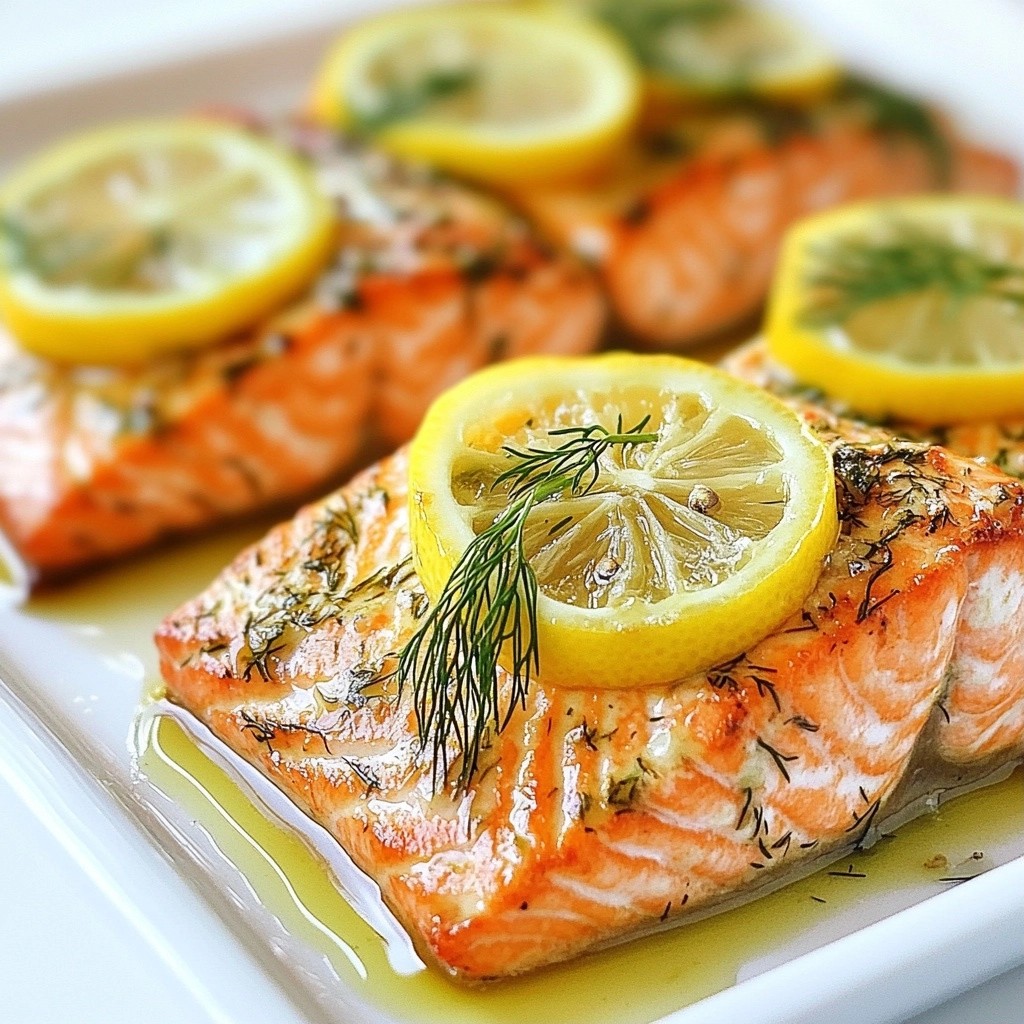
- Impressive Presentation: Garnishing with lemon slices and fresh herbs makes this dish look elegant and inviting, ideal for entertaining guests.
Ingredients
Essential Ingredients for Lemon Herb Roasted Salmon
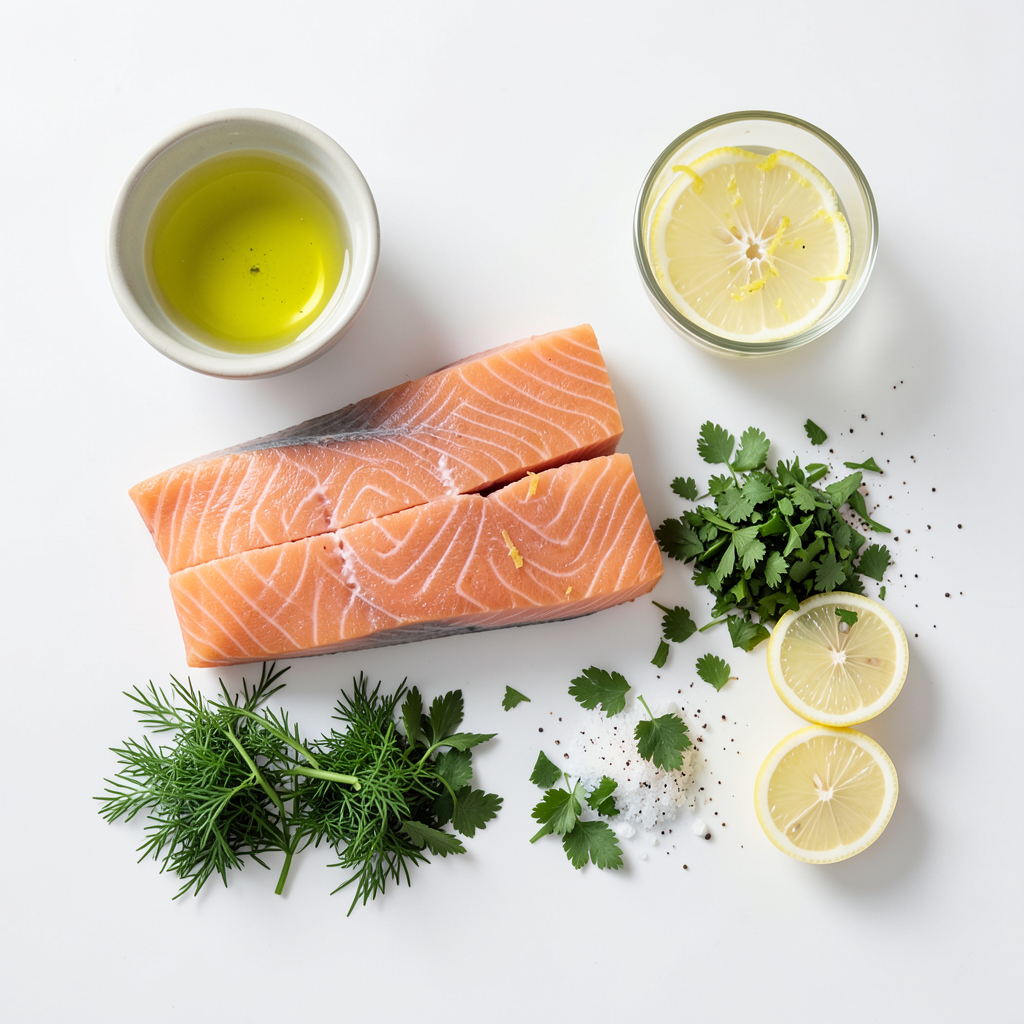
For a tasty Lemon Herb Roasted Salmon, gather these essential ingredients:
- 4 salmon fillets (6 oz each)
- 2 tablespoons extra virgin olive oil
- 2 tablespoons freshly squeezed lemon juice
- 2 teaspoons fresh lemon zest
- 1 tablespoon fresh dill, finely chopped
- 1 tablespoon fresh parsley, finely chopped
- 2 cloves garlic, minced
- Salt and freshly ground black pepper, to taste
- Lemon slices, for garnish
These ingredients bring bright flavors and freshness to your meal. The salmon fillets are the star, while the herbs and lemon add depth.
Optional Garnishes for Serving
Garnishes can elevate your dish. Here are some ideas:
- Extra lemon wedges for a zesty kick
- A sprinkle of fresh herbs like more dill or parsley
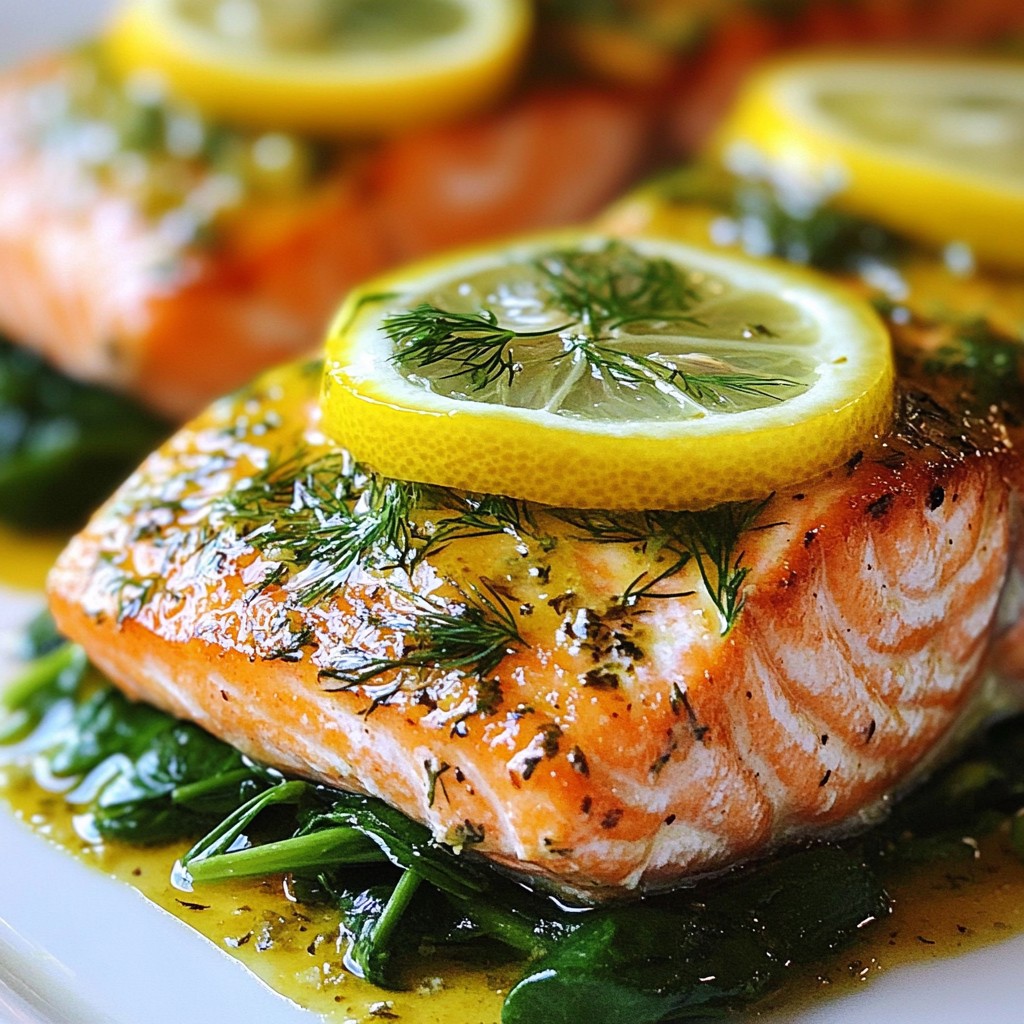
- A bed of sautéed spinach or fluffy quinoa for serving
These garnishes not only add flavor but also make your plate look beautiful.
Ingredient Substitutions
Don't worry if you lack some ingredients! Here are some simple swaps:
- Use lime juice instead of lemon juice for a different citrus flavor.
- Try other herbs like basil or cilantro if you don’t have dill.
- If you have no fresh garlic, use garlic powder instead.
These substitutions maintain the recipe's essence while allowing flexibility. Enjoy making it your own!
Step-by-Step Instructions
Preparing the Oven and Baking Sheet
Start by preheating your oven to 400°F (200°C). This heat helps cook the salmon well. While the oven warms up, line a baking sheet with parchment paper. This makes cleanup easy and keeps the fish from sticking. Place the salmon fillets on the sheet, skin-side down. Make sure they have some space between them.
Creating the Lemon Herb Marinade
In a small bowl, mix together the extra virgin olive oil, lemon juice, and lemon zest. Add in the finely chopped dill and parsley. Then, toss in the minced garlic. Season this mix with salt and black pepper to taste. Whisk it all together until it blends well. This marinade is key to adding flavor to your salmon.
Coating and Roasting the Salmon
Use a brush or spoon to coat each salmon fillet with the lemon herb mixture. Make sure every part of the salmon is covered. This step ensures that the fish absorbs all that yummy flavor. Now, place a slice of lemon on top of each fillet. This not only tastes great but looks nice too.
Carefully transfer the baking sheet into the preheated oven. Roast the salmon for 12 to 15 minutes. You can check if it's done by using a fork. It should flake easily, and the center must be opaque. After cooking, take the salmon out and let it rest for a few minutes. This helps keep the fish juicy and tender.
Tips & Tricks
How to Achieve Perfectly Cooked Salmon
To cook salmon just right, you need to keep an eye on the time. Roast it for 12-15 minutes at 400°F (200°C). The salmon should flake easily with a fork when done. The center should look opaque. If you want a more precise way to check, use a food thermometer. Aim for 145°F (63°C) in the thickest part.
Enhancing Flavor with Additional Herbs
While dill and parsley shine in this recipe, feel free to mix in other herbs. Thyme and basil also work well. You can add a bit of rosemary for a stronger taste. Fresh herbs bring brightness to the dish. If you have dried herbs, use them too. Just remember, dried herbs are more potent. Use less than fresh.
Presentation Tips for Serving
Make your dish look as good as it tastes. Serve salmon on a bed of sautéed spinach or fluffy quinoa for color. Add lemon wedges on the side for a zesty touch. For a pop of color, sprinkle fresh herbs on top. This not only looks great but also adds flavor. Consider using a nice plate to elevate the meal. A well-set table makes the dish feel special.
Pro Tips
- Fresh Herbs Matter: Use fresh herbs for the best flavor. Dried herbs can work in a pinch, but nothing compares to the vibrant taste of fresh dill and parsley.
- Zest It Up: Don't skip the lemon zest! It adds a bright, aromatic quality to the dish that complements the salmon beautifully.
- Rest for Moisture: Allow the salmon to rest after cooking. This step is crucial as it helps the juices redistribute, keeping the fish tender and moist.
- Perfect Pairings: Consider pairing your salmon with sides like roasted vegetables or a light salad to balance the rich flavors of the fish.
Variations
Lemon Herb Salmon with Honey Glaze
You can add a sweet twist to your salmon. Mix honey with the lemon juice. This blend adds a nice glaze and balances the flavors. Brush the honey mix on the salmon before roasting. The glaze will caramelize and create a tasty crust.
Adding Different Herbs or Spices
Feel free to play around with herbs. You can use thyme, basil, or even cilantro. Each herb brings its own flavor to the dish. Spices like paprika or chili powder can also add a kick. Mix and match to find your favorite combination.
Alternative Cooking Methods (Grilling, Pan-Seering)
You don't have to roast your salmon if you prefer other methods. Grilling gives the fish a smoky flavor. Cook it over medium heat for 6-8 minutes on each side. Pan-searing is another quick option. Heat oil in a skillet, then sear the salmon for about 4-5 minutes per side. Both methods can yield delicious results.
Storage Info
How to Store Leftover Salmon
To keep leftover salmon fresh, let it cool first. Then, wrap each fillet in plastic wrap or foil. Place the wrapped salmon in an airtight container. Store it in the fridge for up to three days. Make sure it is sealed well to avoid dryness.
Reheating Tips for Maximum Freshness
When you want to reheat your salmon, use the oven for best results. Preheat your oven to 275°F (135°C). Place the salmon on a baking sheet. Cover it loosely with foil to keep it moist. Heat for about 15 minutes or until warm. If you prefer, you can also reheat it in the microwave. Use a low power setting and cover with a damp paper towel. This will help keep it juicy.
Best Practices for Freezing Salmon
If you want to save salmon for later, freezing is a great option. Wrap each fillet tightly in plastic wrap, then in foil. This prevents freezer burn. Label the bags with the date. You can freeze salmon for up to three months. When ready to eat, thaw it in the fridge overnight before reheating.
FAQs
How long to cook salmon in the oven?
Cook salmon in the oven for 12-15 minutes. The salmon is done when it flakes easily with a fork. If you want it perfectly cooked, check the center. It should be opaque but not dry.
Can I use frozen salmon for this recipe?
Yes, you can use frozen salmon. Just make sure to defrost it first. Thaw it in the fridge overnight or use cold water for quick thawing. Once thawed, follow the same steps in the recipe.
What to serve with lemon herb roasted salmon?
Lemon herb roasted salmon pairs well with many sides. Here are some tasty options:
- Sautéed spinach
- Fluffy quinoa
- Steamed broccoli
- Roasted asparagus
- Garlic mashed potatoes
You can also add extra lemon wedges for a zesty touch. Just make sure to keep the sides simple so they don’t overpower the salmon's flavor.
This article covered how to make lemon herb roasted salmon with success. We explored essential ingredients, optional garnishes, and swaps for flavor. You learned step-by-step cooking instructions and helpful tips for the best results. We also discussed tasty variations and storage methods for leftovers.
Cooking salmon can be easy and fun. With these recipes and tips, you can impress anyone at your table. Enjoy trying new flavors and share this dish with family and friends.