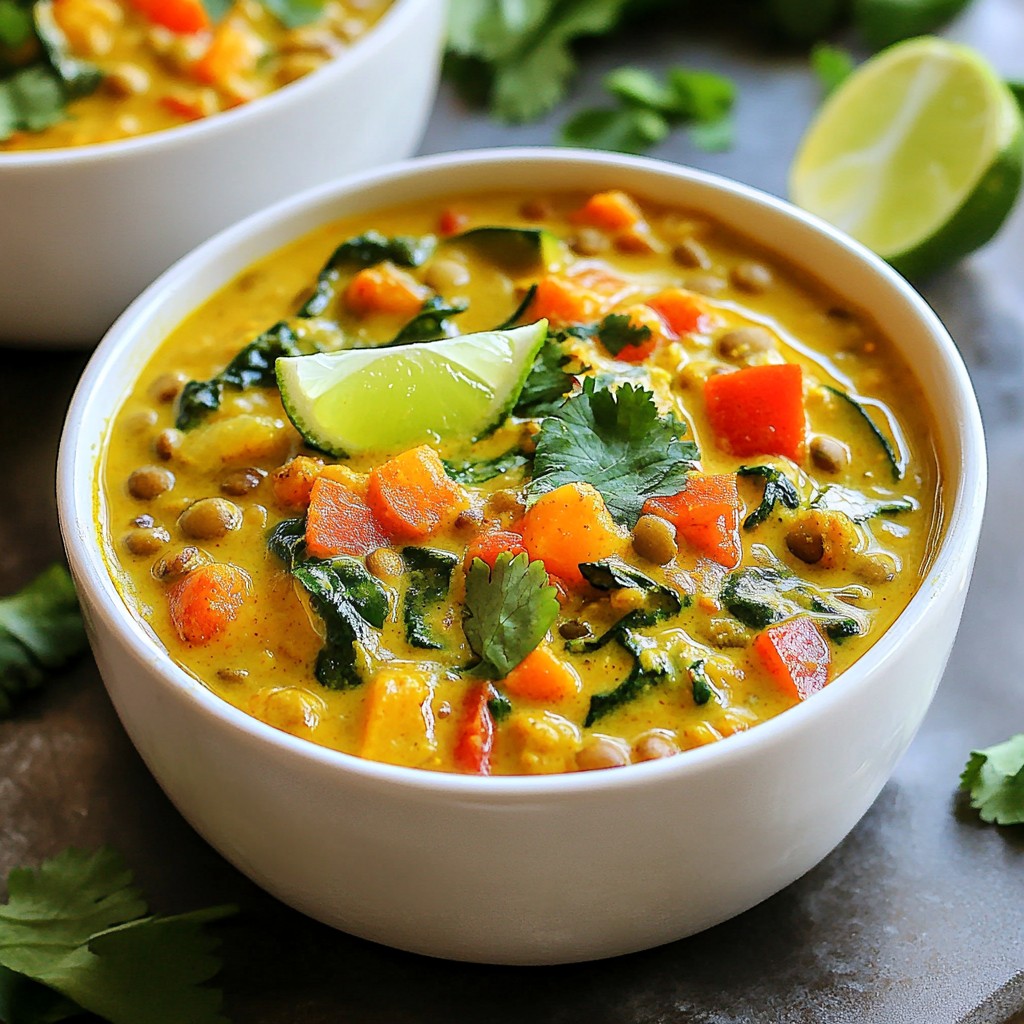
Looking for a hearty and healthy meal? You’re in the right place! This Lentil and Vegetable Curry packs a punch with vibrant flavors and nutritious ingredients. It’s not just tasty but also easy to make, whether you're a kitchen pro or just starting out. In this guide, I’ll share the essential ingredients, cooking steps, and helpful tips to create a dish your family will love. Let’s dive in and cook up something special!
Why I Love This Recipe
- Nutritious Powerhouse: This lentil and vegetable curry is packed with protein, fiber, and essential vitamins, making it a wholesome choice for any meal.
- Easy to Prepare:
- Flavorful and Satisfying: The combination of spices and creamy coconut milk creates a rich, satisfying dish that will delight your taste buds.
- Customizable Delight: Feel free to swap in your favorite vegetables or adjust the spice levels to suit your preferences.
Ingredients
List of Key Ingredients
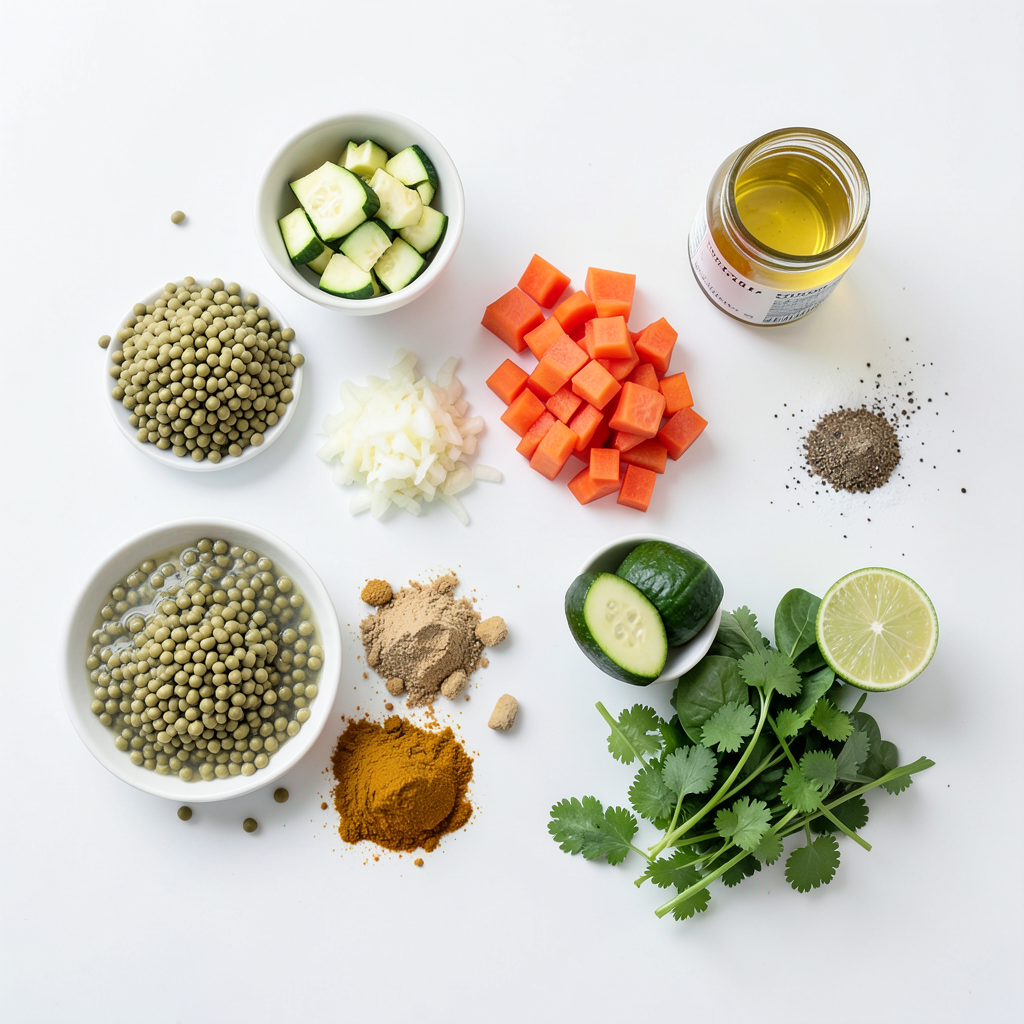
- 1 cup green or brown lentils, rinsed
- 1 medium onion, finely chopped
- 2 cloves garlic, minced
- 1-inch piece of ginger, grated
- 1 medium carrot, diced
- 1 medium zucchini, diced
- 1 red bell pepper, diced
- 1 cup spinach leaves, chopped
- 1 can (14 oz) coconut milk
- 2 tablespoons curry powder
- 1 teaspoon turmeric powder
- 1 teaspoon cumin seeds
- 1 tablespoon vegetable oil
- Salt and pepper to taste
- Fresh cilantro, for garnish
- Juice of 1 lime
These ingredients create a robust flavor in your curry. The lentils offer protein, while the vegetables add nutrients and texture. Coconut milk brings creaminess, making the dish rich and satisfying.
Optional Ingredients for Flavor Enhancement
- 1 teaspoon chili powder or fresh chili, for heat
- 1 tablespoon soy sauce, for umami
- 1 tablespoon lemon juice, for brightness
- 1 cup diced potatoes, for extra heartiness
Using these optional ingredients can make your curry even better. They allow you to adjust the flavor profile to your taste. Adding chili gives heat, while soy sauce adds depth.
Dietary Considerations
This lentil and vegetable curry is vegan and gluten-free. Lentils and veggies provide essential nutrients for a balanced meal. Coconut milk is a great dairy alternative. This dish is perfect for anyone looking for healthy, plant-based meals.
Step-by-Step Instructions
Preparation Steps for Cooking the Curry
1. Gather all your ingredients. This makes the process quick.
2. Rinse the lentils under cold water. This cleans them well.
3. Chop the onion, garlic, ginger, carrot, zucchini, and red bell pepper. Keep them ready to use.
4. Measure out the coconut milk, curry powder, turmeric, and cumin seeds. This saves time later.
5. Get your pot and cooking tools. You will need a large pot and a wooden spoon.
Detailed Cooking Instructions
1. Heat the vegetable oil in a large pot over medium heat.
2. Add the cumin seeds. Let them sizzle for about a minute until you smell the aroma.
3. Toss in the chopped onion, garlic, and ginger. Cook for 5-7 minutes until the onion becomes soft and transparent.
4. Add the diced carrot, zucchini, and red bell pepper. Stir and cook for 5 more minutes. You want them to soften a bit.
5. Sprinkle in the curry powder and turmeric. Mix well for about a minute. This helps the spices blend.
6. Pour in the rinsed lentils and coconut milk. Add 2 cups of water. Bring this to a boil.
7. Lower the heat and cover the pot. Let it simmer for 25-30 minutes. Check the lentils for tenderness.
8. Stir in the chopped spinach. Season with salt, pepper, and lime juice. Cook for another 5 minutes until the spinach wilts.
9. Taste the curry. Adjust the seasoning if needed. If it’s too thick, add water until it’s just right.
10. Serve warm in deep bowls. Top with fresh cilantro and a lime wedge for extra flavor.
Adjusting Cooking Times for Different Lentils
Different lentils cook at different rates. Here’s a quick guide:
- Green lentils: Cook for about 25-30 minutes. They hold their shape well.
- Brown lentils: These cook fast. Aim for 20-25 minutes for a softer texture.
- Red lentils: Cook for 15-20 minutes. They break down and thicken the curry.
If you use different lentils, adjust the cooking time accordingly. Enjoy your cooking!
Tips & Tricks
Best Practices for Preparing Lentils
To make the best lentil curry, start with rinsing your lentils. This removes dust and any tiny stones. You can soak them for about an hour to help them cook faster. Always check the package for cooking times. Green or brown lentils work well in this recipe. They hold their shape and add a nice texture. Remember, overcooked lentils turn mushy and lose their flavor.
How to Enhance Flavor Profiles
To boost flavor, use fresh herbs like cilantro and lime juice. The lime adds a bright taste that lifts the dish. You can also try adding a pinch of cayenne for heat. This gives the curry a nice kick without overpowering it. If you want more depth, sauté your spices longer before adding other ingredients. This helps release their oils and makes the flavors richer.
Common Mistakes to Avoid
One common mistake is not seasoning enough. Always taste while cooking and adjust the salt and pepper. Another issue is cooking lentils too long. Keep an eye on them after 25 minutes. If the curry is too thick, add more water slowly. Lastly, don’t forget to add spinach near the end. This helps it retain its vibrant color and nutrients.
Pro Tips
- Use Fresh Spices: Fresh spices enhance the flavor of your curry. Make sure to check the freshness of your curry powder and turmeric for the best taste.
- Soak Lentils: Soaking lentils for a few hours before cooking can reduce cooking time and improve digestibility, making them even easier to prepare.
- Customize Vegetables: Feel free to swap in your favorite vegetables or whatever you have on hand. Eggplant, sweet potatoes, or peas work great in this curry.
- Add Heat: If you enjoy a spicy kick, add some chopped green chilies or a dash of cayenne pepper to the curry while cooking.
Variations
Substitutions for Vegetarians or Vegans
You can easily make this curry vegan. Simply ensure that all ingredients are plant-based. Use vegetable oil instead of any animal fat. Coconut milk is already vegan, so you’re set there. For added protein, swap lentils for chickpeas or black beans. These options taste great and keep the dish filling.
Gluten-Free Alternatives
This lentil and vegetable curry is naturally gluten-free. All the main ingredients are safe for those avoiding gluten. Just be careful with any store-bought curry paste or powder. Some brands may add gluten. Always check the labels for safety.
Regional Spice Variations
Changing spices can give your curry a new twist. For a bold Indian flavor, add garam masala or fenugreek. If you prefer Thai cuisine, try incorporating lemongrass or kaffir lime leaves. These spices change the taste and enhance the dish. You can mix and match spices to find your favorite flavor profile.
Storage Info
Best Practices for Storing Leftovers
To keep your lentil and vegetable curry fresh, store it in an airtight container. Make sure it cools down to room temperature before sealing. This helps prevent moisture buildup, which can spoil your curry. If you use glass containers, be careful with sudden temperature changes. They can crack.
How Long the Curry Lasts in the Fridge
Your curry can last up to 5 days in the fridge. Be sure to check for any off smells or changes in color before eating. If you notice anything unusual, it’s best to toss it out. Always label your container with the date you made the curry, so you remember when to eat it.
Freezing Instructions and Tips
You can freeze lentil and vegetable curry for up to 3 months. Use freezer-safe containers or bags. Leave some space at the top of the container, as the curry will expand when frozen. To reheat, thaw it in the fridge overnight. Heat it gently on the stove or microwave until hot. Make sure to stir well for even heating.
FAQs
How to Make Lentil and Vegetable Curry More Spicy?
To make your curry spicier, add chili powder or fresh chilies. You can also use hot curry powder. Start with a small amount and taste as you go. If you want more heat, add more spice slowly. Adjusting flavors helps you find the perfect level of heat.
Can I Use Different Types of Lentils?
Yes, you can use different lentils. Brown lentils and green lentils work best in this recipe. Red lentils cook faster but may make the curry mushy. If you choose red lentils, reduce cooking time. Experiment with different types to find your favorite texture.
What Are the Health Benefits of Lentils?
Lentils are very nutritious. They are high in protein, fiber, and iron. This helps keep you full and supports digestion. They also contain vitamins and minerals that boost health. Eating lentils can lower the risk of heart disease and improve blood sugar levels. Adding lentils to your diet is a smart choice.
This blog post covered all you need to know about making lentil and vegetable curry. We explored key ingredients, cooking steps, and helpful tips to make it tasty. You learned variations for different diets and how to store leftovers properly. Remember, the right flavors and techniques make your curry shine. Enjoy experimenting with spices and ingredients. With practice, you'll create a meal that stands out. Happy cooking!